How to Find the Nearest Pediatric Hospital for Your Child
There’s nothing worse than seeing your child be sick. One moment, your son or daughter is happy playing with their toys. The next minute, your child is crying (probably in pain), very hot to the touch, and all you want to do is throw up. I have experienced this first-hand. At that time, you do not want to be trying to type out where to go on your phone while your hand shakes from your fear.
Let’s get that out of the way right now. Let’s find the closest pediatric facility when things are okay. Grab your coffee. Take a deep breath. We will do this together step by step.There are no big words and confusing language here. Just what a busy mom or dad really needs.
What is a Pediatric Facility?
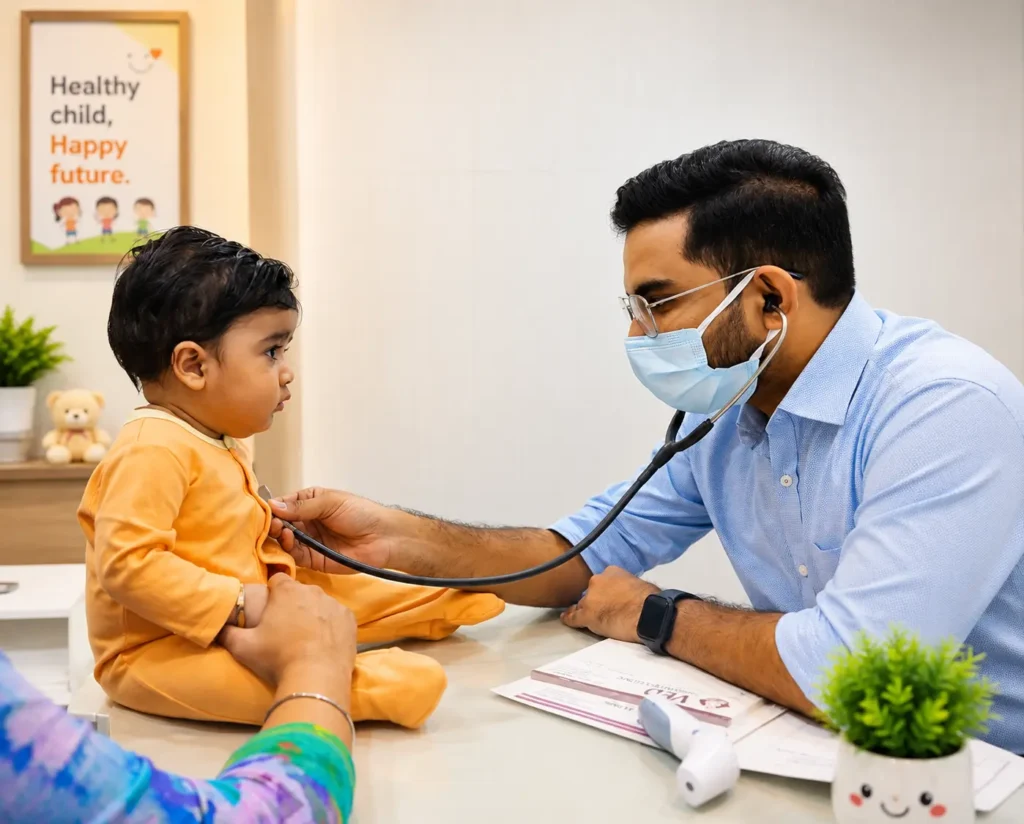
A pediatric facility is a place designed specifically for the treatment of sick children. All of the doctors and nurses there treat only children every day. They understand how a scared 4-year-old behaves. They can tell the difference between a child that is crying because his or her ear hurts from one that is crying because he or she is tired.
Regular hospitals take care of adult patients but children…
These tools also work well for children. If you know ahead of time where you’ll go, you’re calmer. A calm parent will be a comfort to a child who is scared. Don’t ever underestimate that.
The Importance of Knowing the Nearest Pediatric Emergency Room
Children go from being fine to having a medical emergency very quickly. Just one trip to the other side of the room could turn into a trip to the emergency room. A fever that spikes instantly for no reason can send you running to the doctor’s office. A simple twist to the arm could leave you making a mad dash to the emergency room. All it takes is a couple of seconds.
When that happens you need help now! Not waiting on hold or frantically searching for the nearest hospital for 10 minutes while your stomach is tied up in knots and it’s two o’clock in the morning. This is why knowing the location of a pediatric emergency room prior to needing it is so critical.
Here’show I view this: You can find your front door in complete darkness, no thought needed. This is what finding the nearest pediatric emergency room should be: a second- nature response.
So take one small action today; locate the address of the nearest pediatric emergency room and write it down to keep in a visible location. This will not decrease the level of anxiety you experience on a bad day, but it will relieve a real burden for you when you need it. Children’s bodies are constantly changing and evolving at an extremely fast pace. It is important for a pediatrician to be able to listen and observe subtle signs that may indicate a child is in pain, as well as to assess the level of pain they may be feeling. In addition, a pediatrician should approach their patient with a gentle demeanor in order to make the experience less traumatic for the child. Finally, the pediatrician must carefully calculate the proper dosage of medication for the child based on their age and weight.
Emergency pediatricians (E.Ps) are the “all- doctors” for children in emergent situations where the child has a serious injury or illness. When an E.P. is on call, they will be available to handle any medical emergencies that may arise. E.Ps are trained to act quickly and with a calm demeanor when handling emergencies. They will be able to diagnose the child’s problem before you can finish your sentence describing what happened.
E.Ps have experience treating a wide variety of conditions. Examples include: High fevers; Lacerations (that’s when something sharp cuts through the skin); and any major trauma such as broken bones or head injuries. Do you have doubts about whether a pediatric hospital visit is necessary? You should just go ask. Your child’s nearest pediatric hospital is happy to see him or her and let you know that everything is okay, rather than have you sit at home with uncertainty.
Have You Considered Pain Management Options for Your Child? As long as your child is in the hospital, there should be no reason that his or her pain could not be managed. Currently, there are several options available to manage several types of pain. The hospital will determine the cause of your child’s pain before making a decision about which pain management option is best for your child and the medications they will use for your child’s pain management.
How Can a Pedia Clinic Near Me Help?
Not all concerns need to be rushed to a children’s hospital. Sometimes taking the time for a visit to a pediatric clinic near you is all you need to help your child recover from their illness. Examples of minor concerns that can be addressed at a pediatric clinic are things like a mild fever, cough, or sore ear. You will be in and out of the clinic very quickly!
Each of these clinics are also a great option for all of your child’s minor health concerns as they usually have shorter wait times, are generally less expensive than children’s hospitals, the physician will see your child and then send them home to rest. Both options allow for little to no stress on the parent or child.
The first thing you should remember is, most pediatric clinics will be closed after normal business hours. Although these clinics will have some tools to treat your child’s minor health concern, they may not have all the resources needed to treat your child’s major health concern. The nearest children’s hospital will have staff available to treat your child with major health concerns no matter what day or time it is.
When It Is Time to Go to the Nearest Pediatrics Hospital
There are many signs that indicate it is time to take your child to a pediatric hospital. Some of these signs include: If your child is having difficulty breathing – go now! If they’re running a high fever that doesn’t break – go now! If they’ve had a hard fall and they’re not waking up – go now! If they’re in pain, bleeding excessively, or they’ve swallowed something they shouldn’t have – go now! If your child has had a seizure or shaking episode – go now! These are the times you need to head to your local pediatric hospital.
Also, there’s no amount of “whatever reason” that prevents you from walking through their doors and saying, “I think something may be wrong”. If there’s any doubt in your gut telling you to prove this is not true – trust your instinct. The staff at your child’s nearest pediatric hospital are there to properly examine your child and alleviate your fears.
Helpful Information in Finding a Pediatric Hospital
Finding one is easier than you might imagine. There are multiple ways to do this – use the one best suited for you.By Phone – Simply use a map application (or GPS) – enter what you’re in need of – and it will direct you to the nearest pediatric hospital and provide the estimated time of arrival. This is the fastest way to get to your destination.You may also contact your child’s Primary Care Physician. They will have great knowledge of the local pediatric hospitals and how to best get there. With proper planning, you’ll find that a stressful day can go much more smoothly. The quick version of this paragraph is as follows:Keep a small, empty bag by the front door that includes the following: Change of clothes for the child; A snack; A special toy; A card with the child’s medical information. Have your cell phone fully charged; have enough money with you; and fill your vehicle with gas. Make sure you have a clear route to the nearest children’s hospital before leaving; when you arrive, you will not be trying to look it up.Keep track of what your child eats every day, what they can or cannot eat, and their entire medical history. If you give a list to the doctor’s office when you take your child in for an appointment, it will save the doctor time. You should check your bag and swap out any clothes that no longer fit your child, and replace any expired food every month or so.
When you arrive at the hospital, it can seem overwhelming. The typical procedure will begin by having your child check-in at the front desk. You will provide them with the reason for your child’s visit and your child’s name, and they will begin assessing your child’s medical condition immediately.
Usually, a nurse will be the first person to see your child; she will assess the child’s condition by looking, taking their temperature and observing their breathing. After a nurse assesses your child, a doctor will come to the room, especially if the child’s case is urgent. If the doctor thinks your child has a serious illness, he will contact an on-call pediatrician for immediate assistance. When Your Child is Sick: Keep Calm
It’s not easy for you to be calm while your child is sick. I have been there myself, but keeping calm will help your child feel more relaxed as they will pick up on how you are reacting; you show them that they will be okay.To express this, you should:* Take slow deep breaths in and out.* Talk calmly, saying that your child will be okay and that the doctor is there to help out.* Provide as many little comforts as possible (a special toy, soft music).* Give yourself some credit for doing something for your child when it matters. Being a good parent means helping their child when it needs your help. You have done a great job for your child, and they are so lucky to have you there to support them.
If you find yourself becoming panicky, it is okay to step out of the situation for a moment, breathe deeply, get a drink of water and/or roll your shoulders back, and gather yourself before going back. Being panicked when you go back in to help your child is not going to be beneficial, and stepping away for a moment is not the same thing as running away.
Driving to the Pediatric Emergency Room
The car ride to your child’s emergency room may feel like the longest car drive of your life. If Possible, Bring An Adult Along To Drive & Help Hold Child In The Backseat. A Huge Help
If You Are Alone – Don’t Worry About It! Keep Calm, Focus On The Road & Continue To Talk Softly To Your Child – They Can Hear You, They Need To Know You Are Right There & That You Will Be There To Help Them. As You Get Closer To The Hospital, You Will Be Bringing Your Child To And The Staff Will Do Their Part To Help Your Child.
Questions You Should Ask Your Child's Doctor
Never Be Afraid To Ask Questions. Doctors Are Here To Help You Understand What Is Going On With Your Child. A Few Ways To Start: What Is Wrong With My Child? What Will Help? How Long Does It Take To Fix? What Should We Do Once We Return Home?If You Do Not Understand What They Are Talking About, Please Tell Them. Ask Them To Talk Slower And In Plain Language. This Is Your Child; You Need To Know What They Are Saying. Any Good Doctor Will Be Happy To Help Explain It To You. Make Note Of What They Say, It Will Be A Great Reference For You To Go Back To Later When You Are Less Stressed And Trying To Remember What Was Said. Pretend Play is a great idea! For example, if your child was playing doctor, use a teddy bear as the patient. Give them something like a spoon or a toy stethoscope and help them to take the teddy’s heartbeat. It’s also important to make it a game and laugh about it! If you’ve done this a number of times before going to the doctor, then it will be less scary to your child. Reading a simple picture book about visiting the doctor will also help. Read the book more than once on an evening before your trip to the doctor. Your child will be familiar with the idea of going to the doctor and will see it as an old friend. When you get home from the doctor’s office, you will likely have already received an all clear from the doctor and the hard part is done! However, don’t forget that home care counts too. You must follow the doctor’s orders exactly! Give your child medication on time and allow for your child’s rest via lots of hugs, a nutritious diet, and plenty of hydration.
In the following days, it’s very important to keep an eye on your child and be in contact with the doctor if your child is doing any worse than he/she was doing when you left the office; if your child is doing worse than they were upon leaving the doctor’s office, contact the doctor immediately instead of waiting.
If you have a child’s doctor who practices pedia clinic close to home, you should definitely go and visit if you have any questions or concerns. Creating a simple help list may be one of the most impactful things you do all year. It will save you time, provide comfort, and help you feel grounded.
To begin, write down the name of the hospital with the nearest pediatric emergency department; then, you should also write down the contact information for your child’s primary care provider. Finally, list a location that you would trust to care for your child in an emergency. You should also add information about your child’s physician.
You should keep this information in a place that is easily accessible so that others can easily find it. You should make a copy of this list to give to your child’s grandparents, babysitters, and other caregivers so that they will have this information if they need it when you are not present.
A Note of Encouragement
A Few More Kind WordsParenting is one of the biggest responsibilities you will ever have, and you give it your heart and soul every single day. When your child is sick or injured, it can feel overwhelming, but remember that you are not alone. Help is always available, and the nearest pediatric hospital is there to support you when your child needs care.
The team at the nearest pediatric hospital understands how stressful these moments can be for parents. Doctors, nurses, and specialists at the nearest pediatric hospital work every day to help children feel better and recover safely. Knowing where the nearest pediatric hospital is located can give you peace of mind before an emergency ever happens.
Take some time today to learn the route to the nearest pediatric hospital and save the address in your phone. Having quick access to the nearest pediatric hospital can make a huge difference when every minute matters. If your child experiences a serious illness or injury, the nearest pediatric hospital is often the best place to seek immediate medical attention.Families who know the location of their nearest pediatric hospital are often better prepared during unexpected situations. The caring staff at the nearest pediatric hospital are trained specifically to treat children and understand their unique healthcare needs. Whether it is a high fever, breathing difficulty, or an injury, the nearest pediatric hospital has the resources needed to provide expert care.You are stronger than you think, even on the toughest days. Trust yourself, trust your instincts, and remember that the nearest pediatric hospital is ready to help when your child needs medical care. Keeping the contact information for the nearest pediatric hospital nearby can reduce stress and help you act quickly when necessary.
Quick Recap
To summarize, a pediatric hospital is designed specifically for children and offers specialized care for infants, toddlers, children, and teenagers. Learn the route to the nearest pediatric hospital before you need it and keep that information easily accessible. In emergencies, the nearest pediatric hospital provides fast and professional care from experienced pediatric specialists.
For minor illnesses and routine concerns, a pediatric clinic may be the right choice, but for urgent situations, the nearest pediatric hospital is often the safest option. Prepare an emergency bag, create a family plan, and keep a list of important contacts. Save the location of the nearest pediatric hospital, discuss the route with family members, and make sure caregivers know where the nearest pediatric hospital is located.
Stay calm, drive safely, ask questions when needed, and follow your doctor’s instructions carefully. Most importantly, remember that the nearest pediatric hospital is there to support your family whenever help is needed. By preparing ahead of time and knowing your nearest pediatric hospital, you can face unexpected situations with greater confidence and peace of mind.
you return home and most importantly, know that your love & instinct will help your child more than you will ever know.